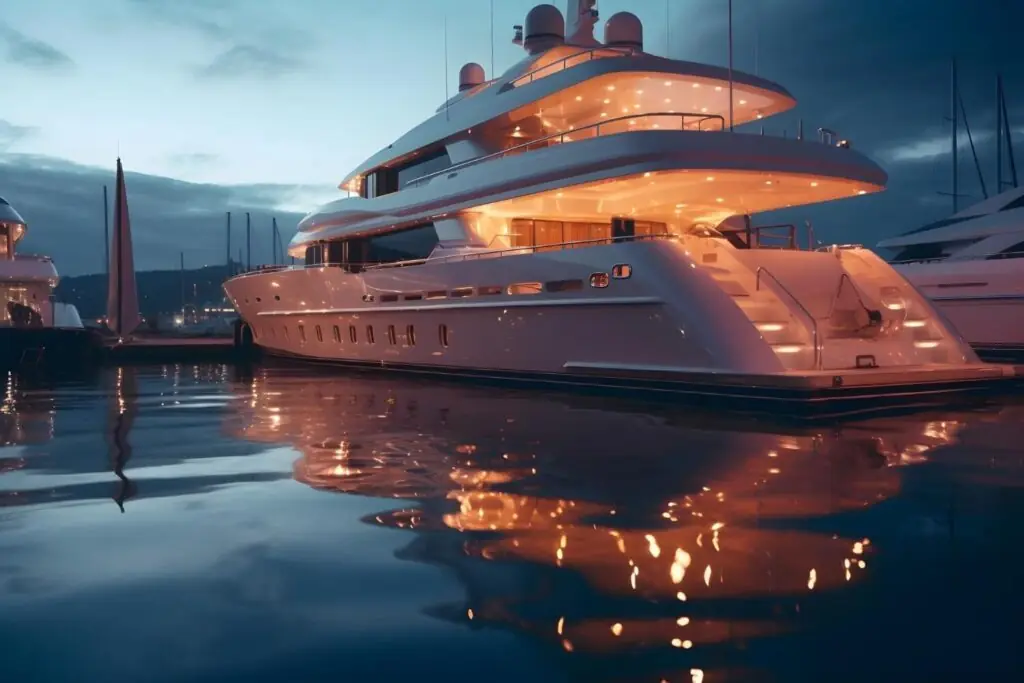
Best Luxury Yacht Options: Definitive Superyacht & Vessel Guide
Evaluating high-end marine acquisitions and premier vessel classes requires navigating a complex intersection of naval architecture, maritime law, structural engineering, and specialized financial planning. Moving far beyond the superficial gloss of brochure photography and transactional brokerage marketing, the upper tier of the maritime market operates as a rigorous ecosystem where hull integrity, hydrodynamic performance, gross tonnage limits, and global compliance standards dictate long-term asset value. Discerning buyers and experienced maritime principals examining the best luxury yacht options must look past aesthetic flourishes to analyze propulsion architecture, engineering redundancies, crew infrastructure, and lifecycle depreciation curves.
The global superyacht and high-end vessel market is frequently misunderstood through generalized assumptions that treat all large craft as uniform luxury assets. In practice, selecting an optimal high-end platform involves balancing conflicting technical trade-offs: maximizing interior volume while preserving seaworthiness; integrating heavy hybrid-electric or hydrogen propulsion systems without sacrificing fuel range; and balancing sophisticated automation with reliable manual redundancies. A disciplined evaluation prevents costly missteps, ensuring that the selected vessel aligns precisely with the owner’s operational scope, cruising geography, and risk tolerance.
This analysis establishes an exhaustive reference blueprint for assessing, structuring, and operating top-tier marine assets. By dissecting historical shifts, conceptual mental models, structural variations, financial frameworks, and risk taxonomies, this guide provides the foundational depth required to evaluate high-end marine options with absolute editorial authority and technical precision.
Understanding “best luxury yacht options.”
Analyzing the structural parameters that define the best luxury yacht options requires dismantling the misconception that vessel quality correlates linearly with sheer length or decorative opulence. An optimal high-end marine asset is defined by technical resilience, spatial ergonomics, structural weight distribution, and compliance with rigorous international maritime codes such as the Large Commercial Yacht Code (LY3) or the Passenger Yacht Code (PYC). Whether evaluating a transoceanic steel-hulled explorer vessel or a lightweight carbon-composite semi-displacement cruiser, the core evaluation rests on how effectively the engineering package supports the intended operational profile.
Common misunderstandings in high-end vessel evaluation often center on propulsion and hotel-load efficiency. Novice buyers frequently prioritize top speed over range and hull efficiency, ignoring the exponential fuel burn curve associated with high-speed planing hulls. Furthermore, modern expectations have shifted dramatically toward acoustic comfort and environmental discretion; contemporary engineering demands silent “hotel mode” anchoring via advanced lithium-ion battery banks and methanol fuel cells, replacing the persistent hum of traditional diesel generators.
Oversimplifying these design and operational variables exposes owners to severe financial depreciation and operational friction. Treating a bespoke custom build like a standard production asset ignores the complex web of flag-state regulations, class survey requirements, and specialized crew management obligations. A rigorous evaluation framework synthesizes naval architecture, mechanical redundancy, and lifecycle liquidity to identify vessels that maintain both structural integrity and enduring market value.
Deep Contextual Background
The evolution of elite marine architecture mirrors the broader industrial, economic, and cultural transformations of the past century. In the early twentieth century, large private vessels were predominantly steam-powered floating estates owned by industrialists and monarchs, serving as instruments of private diplomacy and extended oceanic transit. These early vessels required massive mechanical crews and featured rigid, compartmentalized interiors that reflected contemporary residential architecture rather than purpose-engineered marine ergonomics.
The latter half of the twentieth century witnessed a major structural pivot driven by the introduction of lightweight aluminum superstructures, fiberglass composite hulls, and standardized marine diesel propulsion. The emergence of specialized superyacht shipyards in Northern Europe and Italy transformed construction from bespoke artisanal guesswork into highly scientific, computer-aided naval engineering. Concurrently, the codification of international maritime safety treaties and the professionalization of management brokerages established a transparent global framework for transactions and operations. In the contemporary era, the market is defined by a shift toward sustainable propulsion technologies, explorer capability for remote high-latitude cruising, and minimalist interior layouts emphasizing wellness and biophilic design.
Conceptual Frameworks and Mental Models
Navigating the complexities of high-end marine acquisitions requires robust mental models that synthesize engineering physics, operational economics, and spatial ergonomics.
1. The Volume-to-Speed Trade-Off Matrix
This framework maps internal gross tonnage and living volume against hydrodynamic drag and fuel efficiency. High-volume displacement vessels maximize interior comfort and long-range ocean-crossing stability at the expense of top speed, whereas semi-displacement and planing hulls trade internal volume and fuel efficiency for rapid point-to-point transit capabilities.
2. The Redundancy-to-Complexity Curve
This mental model evaluates the reliability of a vessel against its technological sophistication. As modern yachts incorporate advanced automation, complex hybrid power trains, and sophisticated stabilization systems, the necessity for mechanical and electrical redundancy scales exponentially to prevent single-point-of-failure crises in remote waters.
3. The Operational Lifecycle Cost Pyramid
This analytical model separates upfront acquisition capital from ongoing operational liabilities, illustrating that crew salaries, insurance, periodic class surveys, routine maintenance, and fuel over a ten-year holding period frequently rival or exceed the original purchase price.
Key Categories or Variations of Luxury Vessels
Categorizing the elite marine market requires examining how distinct hull configurations, propulsion systems, and structural layouts serve specialized owner requirements.
-
Full-Displacement Steel Explorer Yachts: Heavy-displacement steel-hulled vessels engineered with ice-class reinforcements, vast fuel reserves, and rugged long-range capabilities. Trade-off: Unmatched global range, heavy weather safety, and immense interior volume balanced by lower cruising speeds and high port transit costs.
-
Semi-Displacement Composite Motor Yachts: Lightweight fiberglass and carbon-composite vessels featuring sleek styling and high-output diesel or hybrid propulsion. Trade-off: Higher top speeds and agile coastal maneuverability balanced by reduced rough-weather comfort and higher structural maintenance.
-
Sailing Superyachts and Performance Sloops: Multi-masted carbon-fiber sailing rigs combining high-performance hydrodynamic hulls with luxurious interior living spaces. Trade-off: Authentic sailing engagement and zero-emission wind transit balanced by complex rigging maintenance and heel-angle living constraints.
-
Multihull Luxury Catamarans: Wide-beam twin-hull vessels offering expansive deck footprints, shallow draft access, and exceptional stability at anchor. Trade-off: Massive living space and minimal roll motion balanced by wide beam dimensions that complicate standard marina slip availability.
-
Diesel-Electric Hybrid Superyachts: Vessels incorporating battery-buffered power systems that enable silent, emission-free maneuvering in protected anchorages and sensitive marine reserves. Trade-off: Advanced environmental performance and extreme acoustic quietness balanced by high initial engineering complexity and specialized maintenance protocols.
-
Classic Heritage Motor-Sailers and Gulets: Traditional wooden or steel-hulled vessels blending classic aesthetic lines with modern hotel amenities. Trade-off: Distinctive historical character and expansive deck dining areas balanced by intensive traditional woodwork upkeep and slower transit speeds.
Comparison of Luxury Vessel Categories
| Vessel Category | Primary Hull & Material | Operational Profile | Cruising Range | Primary Risk Factor |
| Steel Explorer Yacht | Steel hull, aluminum superstructure | Global high-latitude and remote expedition cruising | Transoceanic (5,000+ nautical miles) | High port fees, slower transit speeds |
| Composite Motor Yacht | Fiberglass / Carbon-composite | Fast coastal and island-hop cruising | Moderate (1,500 to 3,000 nautical miles) | Accelerated hull wear in heavy seas |
| Performance Sailing Sloop | Carbon-fiber spars, composite hull | Blue water sailing and regatta participation | Variable (wind and auxiliary fuel dependent) | Complex rigging failure risks |
| Luxury Multihull Catamaran | Dual fiberglass hulls | Shallow-water and archipelagic cruising | Moderate (2,000 to 3,500 nautical miles) | Wide beam docking restrictions |
Realistic Decision Logic
When buyers select a vessel category, choices must anchor in intended cruising geography and lifestyle priorities. If the owner’s primary objective involves exploring remote polar regions, unmapped island chains, or undertaking unassisted trans-oceanic crossings, investing in a full-displacement steel explorer yacht is essential. Conversely, if the intended use is Mediterranean summer island-hopping focusing on shallow coves, high-speed coastal transits, and minimal crew overhead, a high-performance composite motor yacht or luxury catamaran provides the ideal platform.
Detailed Real-World Scenarios and Operational Dynamics
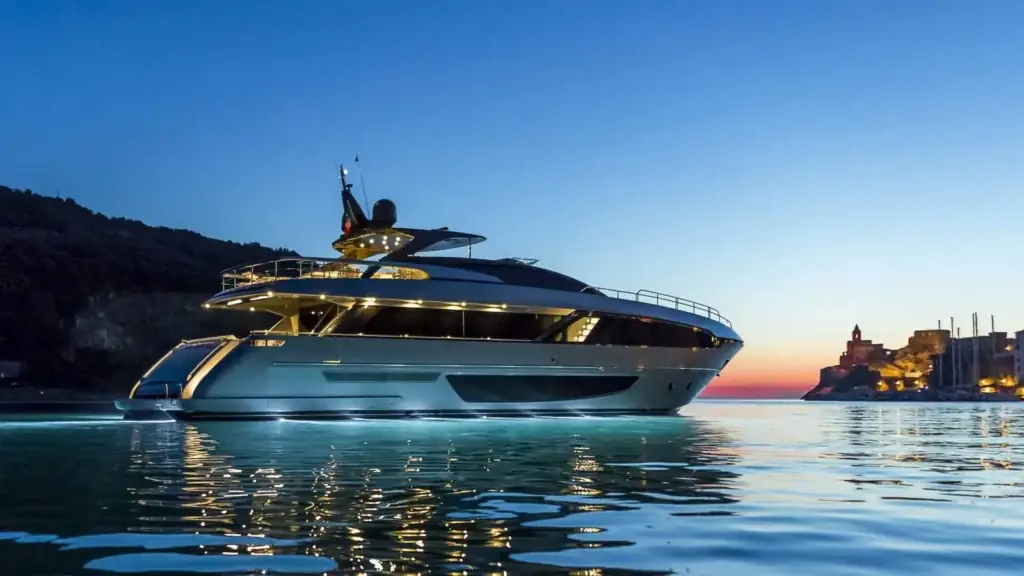
To understand how these elite vessels perform under real-world conditions, consider four distinct operational scenarios.
The Transatlantic Weather Routing Crisis
An explorer yacht encounters an unexpected severe low-pressure system while transiting the mid-Atlantic toward the Caribbean.
-
Constraints: Heavy beam seas, gale-force winds, and distance from emergency port infrastructure.
-
Decision Point: The captain must decide whether to maintain the direct rhumb line course or alter heading significantly to ride out the storm in a more favorable quadrant.
-
Failure Mode: Pushing the vessel at high speeds into steep, breaking head seas risks structural deck damage and severe injury to crew or guests.
-
Second-Order Effect: The captain utilizes advanced satellite weather routing software to adjust course south-southwest, heaving-to or reducing speed to maintain vessel stability, illustrating the absolute value of full-displacement engineering and professional meteorological planning.
The Marina Electrical Infrastructure Overload
A large composite motor yacht pulls into a high-end Mediterranean marina during peak summer season and plugs into local shore power.
-
Constraints: Aging municipal dock power grids, heavy onboard air conditioning and stabilization loads.
-
Decision Point: The sudden electrical draw of multiple high-capacity chillers trips the marina’s main dockside breaker.
-
Failure Mode: Complete loss of shore power shuts down onboard systems, forcing immediate startup of primary diesel generators in a tightly packed harbor.
-
Second-Order Effect: The chief engineer engages the vessel’s onboard power management system to sequence electrical loads gradually, highlighting the infrastructural challenges facing large yachts in older ports.
The Hybrid Battery Thermal Management Failure
A modern diesel-electric hybrid superyacht anchored in a pristine ecological reserve experiences a thermal anomaly warning in its primary lithium-ion battery bank.
-
Constraints: Strict local environmental regulations prohibiting diesel generator usage at night in the protected bay.
-
Decision Point: The engineering crew must isolate the affected battery cluster without interrupting hotel-load power for the guests onboard.
-
Failure Mode: Improper isolation procedures could trigger a full system shutdown, causing a loss of climate control and lighting.
-
Second-Order Effect: The automated safety protocols successfully segregate the compromised cluster, engaging secondary redundant battery banks while alerting the manufacturer’s shore-side technical support team via secure satellite diagnostics.
The Sailing Superyacht Rigging Tension Failure
A high-performance sailing sloop racing in an offshore regatta experiences a sudden microburst that overloads the carbon-fiber backstay.
-
Constraints: Extreme dynamic loads, high heel angles, and racing competitive pressure.
-
Decision Point: The tactician and captain must decide whether to bear away immediately to unload the rig or attempt a controlled tack.
-
Failure Mode: Hesitating to drop load can cause catastrophic mast buckling and structural collapse.
-
Second-Order Effect: The crew immediately blows the hydraulic vang and mainsheet, bearing away downwind to stabilize the rig and prevent structural failure, underscoring the relentless mechanical stresses inherent in high-performance sailing.
Planning, Cost, and Resource Allocation
Acquiring and operating a top-tier luxury vessel requires meticulous financial planning that accounts for initial capital outlays, continuous maintenance reserves, permanent crew salaries, and administrative overhead.
Financial Dynamics and Cost Variability
| Planning Element | Estimated Financial Range | Primary Cost Driver | Financial Risk / Value Impact |
| New-Build or Acquisition Capital | $15,000,000 to $250,000,000+ | Hull length, gross tonnage, custom engineering, shipyard pedigree | Secures the core physical asset and base equity |
| Annual Operating Budget | 10% to 12% of replacement value per year | Crew size, fuel consumption, insurance, flag-state compliance | Sustains ongoing vessel seaworthiness and safety |
| Permanent Crew Payroll & Benefits | $500,000 to $3,000,000+ annually | Tonnage requirements, specialized certifications, officer seniority | Directly dictates operational safety and service standard |
| Specialized Class Survey & Refit Reserves | 2% to 4% of hull valuation annually | 5-year special survey requirements, dry-docking tariffs | Prevents catastrophic mechanical failure and class loss |
Opportunity Costs and Resource Allocation
A frequent financial miscalculation made by new buyers involves underestimating the carrying costs of vessel ownership relative to actual utilization rates. Because superyachts typically spend the majority of their lifecycle anchored or berthed rather than underway, fixed overheads such as insurance, permanent crew retention, and dockage accrue continuously. Allocating financial resources toward professional management firms and preventative maintenance schedules preserves asset resale value far more effectively than deferring maintenance to save short-term capital.
Tools, Strategies, and Support Systems
Managing complex elite vessels requires sophisticated digital platforms, legal frameworks, and specialized shore-side support networks.
-
Computerized Planned Maintenance Systems (PMS): Digital engineering software tracking machinery operating hours, spare parts inventories, and mandatory service intervals. Limitation: Dependent on diligent manual data entry by engineering crew.
-
Global Maritime Agency Networks: Specialized port agencies managing customs clearance, fuel bunkering, provisioning, and diplomatic permits. Limitation: Varies widely in quality across remote geographic regions.
-
Satellite Communication and Starlink Maritime Arrays: High-bandwidth marine broadband systems supporting real-time remote diagnostics, navigation updates, and operational management. Limitation: Subject to occasional maritime coverage shadows and satellite hardware maintenance.
-
Flag-State Technical Surveyors: Independent inspectors certifying compliance with International Maritime Organization (IMO) safety and environmental treaties. Limitation: Strict adherence to code can mandate expensive mid-ocean retrofits.
-
Marine Insurance Underwriting Syndicates: Specialized brokerage networks providing Hull & Machinery (H&M) and Protection & Indemnity (P&I) coverage. Limitation: Premiums spike dramatically following maritime incidents or entering high-risk security zones.
-
Secure Escrow and Legal Transaction Frameworks: International maritime law firms holding acquisition funds and managing clean title transfers. Limitation: Legal complexity requires extended closing timelines.
Risk Landscape and Failure Modes
Operating high-end marine assets introduces severe physical, environmental, regulatory, and financial hazards that require systematic prevention frameworks.
Taxonomy of Elite Marine Risks
-
Catastrophic Structural and Mechanical Failures: Engine room fires, hull breaches from uncharted reefs, steering gear loss, and total electrical blackouts.
-
Regulatory and Customs Penalties: Severe financial fines or vessel detention resulting from non-compliance with environmental emission zones or local maritime labor laws.
-
Environmental and Weather Hazards: Uncharted shoals, rogue waves, severe cyclonic storms, and anchor drag in congested anchorages.
-
Cybersecurity and Data Vulnerabilities: Compromise of bridge navigation systems, satellite communication networks, or confidential owner communications via unsecured digital interfaces.
Compounding Risk Events
In superyacht operations, minor oversights frequently compound into major maritime casualties. For example:
-
Initial Oversight: The engineering watch skips a routine secondary filter check on a primary fuel water separator due to tight turnaround schedules.
-
Secondary Complication: Contaminated fuel enters the primary diesel engine during a coastal transit in heavy shipping traffic, causing an unexpected engine shutdown.
-
Compounding Hazard: The vessel loses propulsion power while drifting toward a rocky lee shore in strong crosswinds.
-
Critical Failure: Because emergency anchor deployment is delayed due to unfamiliar crew coordination, the vessel strikes the reef, resulting in severe hull damage and environmental pollution.
This cascading vulnerability highlights why rigorous adherence to planned maintenance schedules and standardized emergency drills is non-negotiable for safety.
Governance, Maintenance, and Long-Term Adaptation
Sustaining a secure and efficient elite vessel operation requires rigorous pre-voyage reviews, continuous onboard monitoring, and structured dry-docking cycles.
Monitoring and Review Cycles
Captains and chief engineers must conduct daily machinery audits, weekly safety equipment checks, monthly security drills, and comprehensive annual class surveys. Every five years, vessels must undergo mandatory dry-docking for hull thickness testing, propeller shaft inspections, and sea valve overhauls to maintain class certification.
Layered Vessel Management Checklist
-
Planned Maintenance System Audit: Verify that all mechanical service intervals, filter replacements, and oil analyses are up to date.
-
Safety Equipment Certification: Inspect liferafts, EPIRBs, fire suppression systems, and personal flotation devices against expiration dates.
-
Environmental Compliance Verification: Confirm that oily-water separators, sewage treatment systems, and garbage management logs comply with MARPOL regulations.
-
Cybersecurity and Navigation Check: Update electronic chart plotter databases, verify firewall security, and test redundant GPS receivers.
-
Crew Certification Review: Ensure all officers and crew hold valid STCW certifications, medical clearances, and flag-state endorsements.
Measurement, Tracking, and Evaluation
Assessing the overall success of a luxury vessel acquisition and operational program requires balancing quantitative financial metrics with qualitative performance indicators.
Leading vs. Lagging Indicators of Operational Success
-
Leading Indicators (Predictive of positive outcomes):
-
Strict adherence to planned maintenance schedules with zero overdue service items.
-
Consistent low engine vibration and fluid analysis reports within normal baseline parameters.
-
High crew retention rates and regular completion of onboard safety training drills.
-
Proactive weather routing and conservative passage planning.
-
-
Lagging Indicators (Retrospective outcome metrics):
-
Zero unscheduled mechanical breakdowns or emergency repair delays during charter or owner trips.
-
Successful completion of annual class and flag-state surveys with zero deficiencies.
-
Operating expenses held within approved annual budgetary variance limits.
-
Stable or appreciating asset valuation relative to global superyacht market depreciation indices.
-
Formal Documentation Examples
-
Continuous Synopsis Record (CSR): An official IMO document recording the history of the vessel’s flag, ownership, and safety management certificates.
-
Engine Room Operating Logbook: A legally binding daily record detailing machinery temperatures, pressures, fuel consumption, and weather conditions.
-
Class Survey Compliance Dossier: A comprehensive technical report certifying that the vessel meets international structural and safety standards.
Common Misconceptions and Oversimplifications
-
Myth: Purchasing a top-tier luxury yacht represents a sound financial investment that will consistently appreciate over time.
-
Correction: Like high-performance aircraft, luxury yachts are depreciating assets that incur massive annual holding costs; only exceptionally rare custom builds by elite yards occasionally hold value.
-
-
Myth: Modern superyachts operate with complete autonomy, requiring minimal human intervention thanks to advanced digital automation.
-
Correction: Advanced automation increases system complexity, requiring highly trained professional engineers and deck crews to monitor and maintain continuous operations.
-
-
Myth: Placing a luxury yacht into a commercial charter program eliminates all annual ownership overhead expenses.
-
Correction: While charter revenue offsets operational costs, seasonal demand fluctuations, marketing commissions, and accelerated wear-and-tear often result in net operating deficits.
-
-
Myth: Any international port can accommodate vessels exceeding eighty meters in length without prior logistical coordination.
-
Correction: Large superyachts require specialized deep-water berths, heavy-duty shore power hookups, and advance customs clearances that must be arranged weeks in advance through port agents.
-
-
Myth: Operating a hybrid-electric superyacht eliminates the need for traditional diesel fuel.
-
Correction: Hybrid systems provide silent hotel power and low-speed harbor maneuvering, but transoceanic voyages still depend heavily on primary diesel propulsion.
-
-
Myth: Standard yacht insurance policies provide universal coverage regardless of where the vessel is navigated globally.
-
Correction: Policies contain strict geographic exclusion zones, hurricane box limits, and security risk riders that require explicit underwriter approval before entering specific waters.
-
Ethical, Practical, or Contextual Considerations
Operating elite marine assets carries a profound responsibility toward global marine conservation, coastal community respect, and maritime labor standards. Responsible yacht operation requires strict adherence to environmental regulations—such as utilizing advanced wastewater treatment systems to eliminate graywater and blackwater discharge in fragile coral archipelagos, avoiding anchoring in protected seagrass beds, and minimizing carbon footprints through efficient speed profiles. Furthermore, owners and crew must respect local coastal cultures, comply with international maritime labor conventions regarding crew welfare and fair wages, and support regional port economies. Balancing elite luxury leisure with rigorous environmental and social stewardship defines the modern benchmark of responsible maritime leadership.
Conclusion
Evaluating, acquiring, and operating the world’s premier marine assets requires a sophisticated synthesis of naval architecture, financial discipline, engineering vigilance, and regulatory compliance. Moving past superficial marketing narratives to examine the structural realities of gross tonnage capacities, propulsion efficiency, maintenance reserves, and safety management systems ensures that principals can approach high-end maritime acquisition with absolute confidence.
Whether selecting a rugged steel explorer vessel for high-latitude expeditions or an advanced hybrid-electric motor yacht for Mediterranean cruising, the fundamental objective remains unchanged: establishing a secure, resilient, and flawlessly executed operating platform. Prioritizing engineering integrity, professional crew support, and uncompromising safety standards transforms a luxury vessel into an enduring asset of personal and generational distinction.