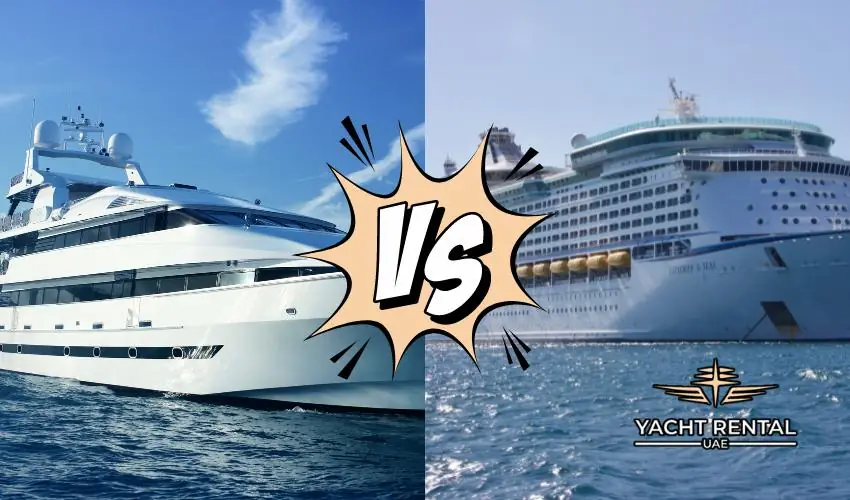
Compare Yacht Rental Options: Definitive Superyacht & Charter Guide
Evaluating the high-end maritime charter market requires navigating a complex intersection of contractual law, naval architecture, international maritime safety codes, and specialized financial planning. Moving far beyond the surface-level gloss of digital brokerage catalogs and promotional media, the world of temporary vessel deployment operates as a disciplined ecosystem where contract structures, crewing credentials, provisioning allowances, and geographic licensing dictate overall value. Discerning principals and experienced charterers seeking to compare yacht rental options must look past aesthetic superficialities to analyze structural variants, operational overheads, insurance stipulations, and hidden financial obligations.
The global charter industry is frequently misunderstood through generalized assumptions that treat all temporary vessel deployments as uniform hospitality experiences. In practice, evaluating an optimal charter program involves balancing conflicting technical and legal variables: choosing between bareboat independence and fully crewed luxury service; managing complex Advanced Provisioning Allowances (APA); and navigating strict territorial taxation rules like the European Union VAT framework. A structured evaluation prevents costly operational misunderstandings, ensuring that the selected vessel configuration aligns precisely with the organizer’s navigational ambitions, guest demographics, and risk parameters.
This analysis establishes an exhaustive reference blueprint for assessing, structuring, and executing elite maritime charter decisions. By dissecting historical shifts, mental models, structural variations, financial frameworks, and risk taxonomies, this guide provides the foundational depth required to evaluate high-end marine charters with absolute editorial authority and analytical precision.
Understanding “compare yacht rental options.”
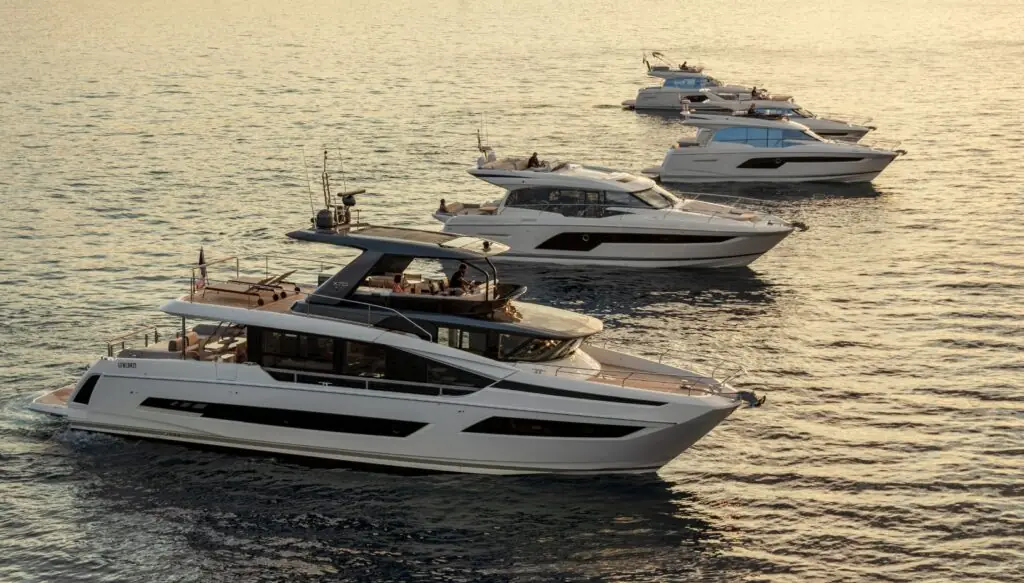
Investigating the structural mechanics that define how to compare yacht rental options requires dismantling the misconception that vessel leasing is a standardized consumer transaction. An optimal charter evaluation integrates legal contract frameworks, local maritime licensing, crewing credentials, and financial transparency into a cohesive selection process. Whether evaluating a bareboat sailing catamaran in the Mediterranean or a fully crewed megayacht in the Caribbean, the core assessment rests on how effectively the contract type and vessel specifications support the intended itinerary.
Common misunderstandings in high-end charter evaluation frequently center on cost accounting and legal liabilities. Novice charterers often assume that the headline rental rate represents the total financial obligation, ignoring additional expenses such as fuel burn, local port tariffs, dockage fees, and the Advanced Provisioning Allowance. Furthermore, many participants overlook the profound operational distinction between different charter agreements, failing to recognize that contract types directly dictate liability distribution and operational autonomy.
Oversimplifying these administrative and technical variables exposes organizers to severe logistical friction, unexpected financial surcharges, and potential legal disputes. A rigorous evaluation framework synthesizes contract law, vessel capabilities, and cost transparency to identify charter arrangements that maintain both budgetary control and uncompromised on-water execution.
Deep Contextual Background
The evolution of commercial vessel leasing reflects the broader transformation of global tourism, maritime law, and wealth distribution over the past century. Historically, private vessel utilization was restricted to direct ownership by industrial elites or monarchs. As the twentieth century progressed, the rise of specialized yacht brokerages and standardized contract templates—most notably those established by the Baltic and International Maritime Council (BIMCO) and the Mediterranean Yacht Brokers Association (MYBA)—transformed vessel leasing into a structured commercial industry.
The latter half of the twentieth century witnessed the professionalization of crewed superyacht charters, supported by the codification of international maritime safety treaties and standardized tax frameworks. Concurrently, the bareboat charter market expanded rapidly across popular cruising grounds, driven by the proliferation of production fiberglass monohulls and multihulls designed for accessible coastal navigation. In the contemporary era, the market is defined by a shift toward digital booking platforms, flexible multi-destination itineraries, and stringent environmental compliance regulations governing fuel usage and waste discharge in protected marine reserves.
Conceptual Frameworks and Mental Models
Navigating the complexities of temporary vessel deployment requires robust mental models that synthesize legal liability, operational control, and financial expenditure.
1. The Operational Autonomy-to-Service Matrix
This framework maps the degree of guest self-reliance against professional crew support. It contrasts bareboat arrangements, where the charterer assumes complete navigational and domestic responsibility, against fully crewed luxury charters where a professional crew manages all aspects of vessel navigation, engineering, and gourmet hospitality.
2. The Total Cost of Charter Ownership Model
This mental model separates the baseline charter fee from variable operational expenses, illustrating that fuel consumption, port dues, local taxes, and provisioning frequently add 30 to 50 percent to the initial financial commitment.
3. The Geographic Risk-to-Compliance Scale
This analytical model evaluates charter options based on local legal hurdles, flag-state regulations, and territorial tax enforcement, demonstrating how cruising across international borders introduces complex compliance requirements.
Key Categories or Variations of Charter Formats
Categorizing the vast spectrum of maritime leases requires examining how distinct contract structures, crewing models, and hull configurations serve specialized organizer requirements.
-
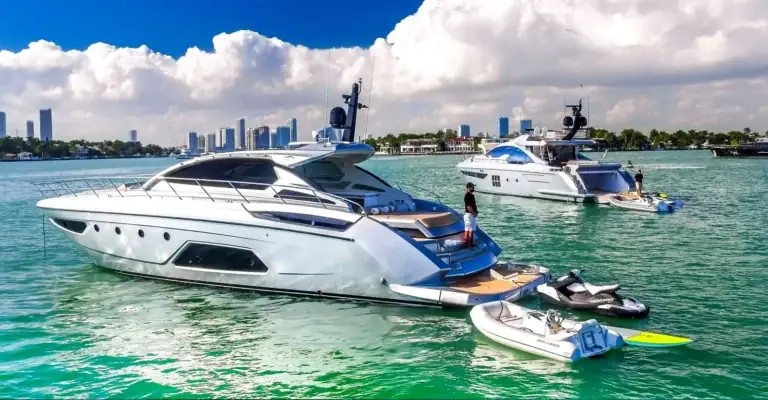
Bareboat Monohull and Catamaran Charters: Self-navigated sail or power vessels leased to qualified skippers holding recognized international certifications. Trade-off: Maximum privacy and complete navigational independence balanced by assuming total responsibility for vessel handling, maintenance, and provisioning.
-
Skippered and Crew-Assisted Charters: Vessels supplied with a professional skipper—and occasionally a chef or deckhand—to manage navigation while allowing guest participation. Trade-off: Reduced navigational stress and local expertise balanced by sharing living space with crew members and restricted privacy.
-
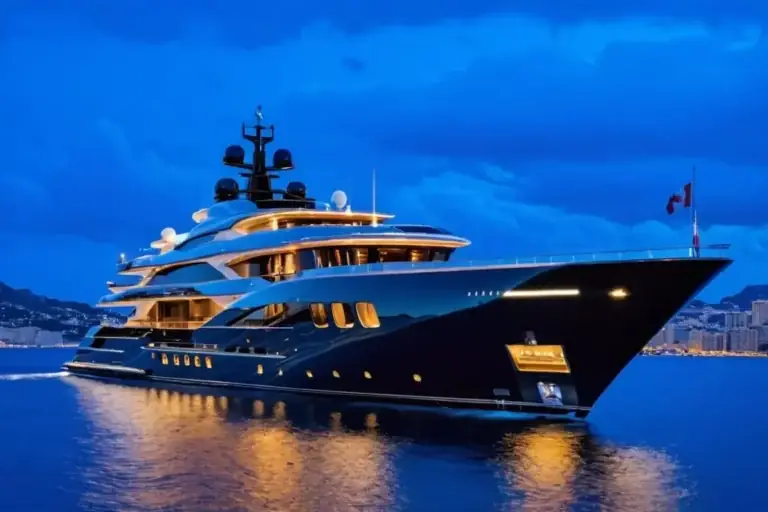
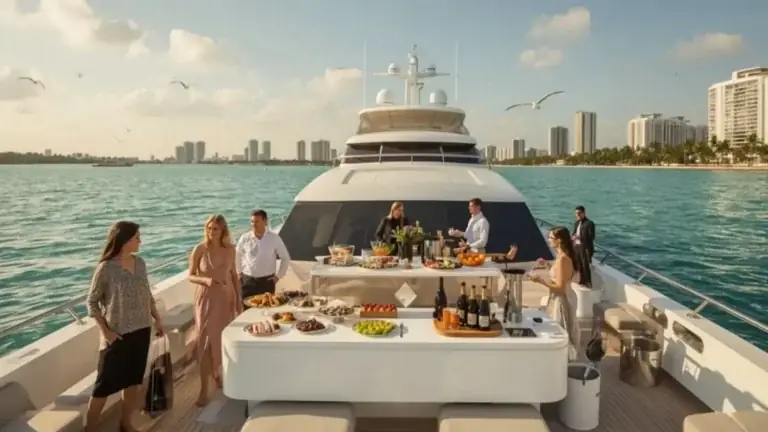
Fully Crewed Luxury Motor Yacht Charters: Large displacement or semi-displacement vessels operated by a dedicated professional crew including a captain, engineer, chef, and stewardesses. Trade-off: Unmatched luxury service, safety, and gourmet dining balanced by high baseline charter fees and formal crew tipping customs.
-
Fully Crewed Sailing Superyacht Charters: High-performance multi-masted sailing vessels offering authentic wind-powered transit paired with hotel-grade luxury amenities. Trade-off: Engaging sailing dynamics and distinctive aesthetics balanced by physical heel-angle limitations and complex rigging footprints.
-
Cabin-Only and Shared Charter Berthing: Individual cabin bookings on a larger vessel shared with other independent travelers on a fixed group itinerary. Trade-off: Highly accessible entry price point and pre-planned routes balanced by sharing communal spaces with unfamiliar guests.
-
Corporate and Event Charter Arrangements: Specialized short-term leases designed for business entertaining, product launches, or regatta hospitality in high-profile ports. Trade-off: High-impact corporate visibility and networking environments balanced by strict commercial passenger capacity limits and premium event surcharges.
Comparison of Charter Formats
| Charter Format | Operational Control | Typical Crew Structure | Cost Structure | Primary Risk Factor |
| Bareboat Charter | Complete charterer control | None (skippered by charterer) | Base fee plus local fuel and docking | Navigational error and damage liability |
| Skippered Charter | Shared navigation | Professional skipper / small crew | Base fee plus skipper daily rate and expenses | Interpersonal friction in tight quarters |
| Fully Crewed Motor Yacht | Delegated to professionals | Full professional crew (Captain to Stewardess) | MYBA contract: Base fee + APA + Tax | High variable operational cost overruns |
| Cabin-Only Charter | Fixed group schedule | Ship’s permanent crew | Per-person cabin rate | Lack of itinerary flexibility |
Realistic Decision Logic
When organizers evaluate potential charter formats, choices must anchor in navigational competence, budget structure, and lifestyle expectations. If the group possesses certified sailing credentials, local waterway knowledge, and desires absolute privacy, investing in a bareboat catamaran or monohull is ideal. Conversely, if the objective is stress-free relaxation, gourmet dining, and seamless coastal cruising without domestic responsibilities, selecting a fully crewed motor yacht charter provides the necessary infrastructure.
Detailed Real-World Scenarios and Operational Dynamics
To understand how different charter options perform under real-world operating conditions, consider four distinct operational scenarios.
Scenario A: The Bareboat Grounding in Uncharted Waters
A charterer operating a bareboat monohull misinterprets shallow bathymetry data while attempting to anchor in a secluded cove.
-
Constraints: Remote anchorage, lack of local support, and strict charter contract liability clauses regarding grounding damage.
-
Decision Point: The charterer must decide whether to attempt an unassisted kedging maneuver or immediately contact the base manager for professional salvage guidance.
-
Failure Mode: Aggressive unassisted power maneuvers risk severely damaging the rudder or keel, voiding the security deposit and safety insurance.
-
Second-Order Effect: The skipper contacts the base manager, deploys a secondary anchor out to deep water, and waits for a high-tide shift while filing an official incident report, illustrating the importance of careful navigational planning.
Scenario B: The Luxury Motor Yacht Weather Diversion
A fully crewed superyacht charter encounters a sudden gale warning while transiting between islands in the Mediterranean.
-
Constraints: Strict charter itinerary expectations, high guest expectations for smooth cruising, and potential safety hazards.
-
Decision Point: The captain must decide whether to maintain the scheduled exposed open-water crossing or alter course to a protected lee harbor.
-
Failure Mode: Forcing the vessel through heavy seas to maintain a rigid itinerary compromises guest comfort and risks minor interior damage.
-
Second-Order Effect: The captain exercises the master’s overriding safety authority to divert into a sheltered bay, reorganizing the onshore dining schedule to maintain guest satisfaction while ensuring absolute vessel security.
Scenario C: The Advanced Provisioning Allowance (APA) Dispute
A group booking a luxury crewed yacht exhausts their APA funds midway through a high-end charter due to excessive consumption of rare vintage wines and private port docking fees.
-
Constraints: MYBA contract terms requiring transparent accounting of all variable operating expenses.
-
Decision Point: The captain must present an interim financial accounting statement to the charterer and request a supplementary APA wire transfer.
-
Failure Mode: Failing to communicate daily expenditure trends leads to an awkward financial confrontation at the end of the charter.
-
Second-Order Effect: The captain provides transparent daily ledger updates, enabling the charterer to adjust discretionary provisioning choices smoothly without disrupting the voyage.
Scenario D: The Corporate Event Capacity Violation
A company leases a large motor yacht for a harbor cocktail reception, inviting significantly more guests than the vessel’s certified commercial passenger license permits.
-
Constraints: Strict Port State Control passenger safety limits, local maritime inspection laws, and insurance policy restrictions.
-
Decision Point: The captain must refuse boarding to excess guests despite executive protests from the corporate host.
-
Failure Mode: Permitting overcrowding violates international safety regulations, invalidates insurance coverage, and risks immediate port detention.
-
Second-Order Effect: The captain enforces the legal limit firmly, organizing a secondary tender shuttle or alternative shore-side venue for overflow guests, highlighting the supremacy of maritime safety law over commercial desires.
Planning, Cost, and Resource Allocation
Executing a successful vessel lease requires meticulous financial planning that accounts for base charter fees, variable operational expenses, local taxes, and mandatory security deposits.
Financial Dynamics and Cost Variability
| Planning Element | Estimated Financial Range | Primary Cost Driver | Financial Risk / Value Impact |
| Base Charter Fee | $5,000 to $500,000+ per week | Vessel length, age, shipyard pedigree, seasonal peak demand | Secures the core physical platform and onboard accommodations |
| Advanced Provisioning Allowance (APA) | 25% to 35% of base charter fee | Fuel consumption, fine dining, vintage beverages, port fees | Finances variable operational and guest consumption costs |
| Local Value Added Tax (VAT) | 0% to 22% of total charter value | Territorial cruising jurisdiction, commercial registry status | Mandatory legal tax compliance burden |
| Security Deposit / Damage Waiver | $1,500 to $50,000+ | Bareboat vs. crewed structure, vessel replacement value | Covers potential accidental hull or equipment damage |
Opportunity Costs and Resource Allocation
A frequent financial miscalculation made by charterers involves underestimating the variable operational burn rate relative to the fixed base fee. Because fuel costs fluctuate significantly based on cruising speed and generator usage, failing to model high-speed transit scenarios can rapidly deplete the Advanced Provisioning Allowance. Allocating financial resources toward professional crewed arrangements or comprehensive insurance riders protects the organizer from unexpected liability and ensures a seamless operational experience.
Tools, Strategies, and Support Systems
Managing charter logistics effectively requires utilizing specialized brokerage platforms, digital navigation tools, and global support networks.
-
Global Brokerage and Central Agency Databases: Professional yacht listing networks (such as MYBA or YACHTFOLIO) verify vessel availability and specifications. Limitation: Requires licensed broker mediation for secure contract execution.
-
Digital Marine Navigation Software (Navionics / TimeZero): Electronic chartplotter applications tracking bathymetry, weather forecasts, and tidal currents. Limitation: Dependent on mobile data connectivity and battery life.
-
Electronic Logbook and Weather Routing Apps: Digital platforms monitoring wind patterns, wave heights, and safe anchorages. Limitation: Requires active interpretation by a skilled mariner.
-
Port Agency Networks: Local logistics providers securing berth reservations, customs clearance, and bunkering services. Limitation: Variable responsiveness in remote or developing island nations.
-
Standardized MYBA Charter Contracts: Internationally recognized legal frameworks governing dispute resolution, insurance obligations, and cancellation terms. Limitation: Rigid terms require strict adherence to payment schedules.
-
Emergency Satellite Communication Arrays: Marine broadband systems supporting real-time communication with base managers and emergency services. Limitation: Subject to occasional satellite coverage shadows.
Risk Landscape and Failure Modes
Operating temporary marine leases introduces severe physical, financial, regulatory, and legal hazards that require proactive risk mitigation.
Taxonomy of Charter Risks
-
Navigational and Hull Damage: Groundings, collision with stationary objects, dock strikes during maneuvering, and severe weather trauma.
-
Contractual and Financial Disputes: Disagreements over APA expenditure accounting, cancellation penalty enforcement, and currency exchange volatility.
-
Regulatory and Customs Detentions: Fines or legal detainment resulting from cruising outside permitted territorial waters or failing to clear local customs.
-
Crew Performance and Interpersonal Conflict: Labor friction, language barriers, or inadequate hospitality service standards on crewed charters.
Compounding Risk Events
In charter operations, minor administrative oversights frequently compound into major operational disruptions. For example:
-
Initial Oversight: A bareboat charterer fails to thoroughly inspect the weather forecast or verify anchor holding ground before leaving port.
-
Secondary Complication: An unpredicted squall sweeps into the unprotected bay overnight, causing the primary anchor to drag.
-
Compounding Hazard: Because the crew is asleep below deck with unmonitored anchor alarms, the vessel drifts toward a rocky shoreline before awakening.
-
Critical Failure: The vessel sustains severe fiberglass hull scraping and rudder damage before emergency engine power can be engaged, resulting in the forfeiture of the security deposit and cancellation of the remainder of the holiday.
This cascading vulnerability illustrates why rigorous pre-departure checks, continuous weather monitoring, and conservative passage planning are essential for charter safety.
Governance, Maintenance, and Long-Term Adaptation
Sustaining a secure and efficient charter operation requires adherence to strict pre-departure inspection protocols, continuous onboard monitoring, and structured debriefing cycles.
Monitoring and Review Cycles
Charter skippers and base managers must conduct pre-departure joint vessel inspections, daily machinery and bilge checks, and comprehensive post-charter debriefing inventories. For larger crewed superyacht operations, continuous safety management reviews and professional crew performance audits ensure that hospitality standards remain consistently high throughout the season.
Layered Charter Operational Checklist
-
Pre-Departure Condition Inspection: Jointly inspect hull gelcoat, interior fittings, electronics, and safety gear with the base representative.
-
Safety Equipment Verification: Confirm working order of life rafts, flares, lifejackets, fire extinguishers, and emergency radio beacons.
-
Weather and Passage Plan Review: Analyze regional meteorological reports, tidal charts, and planned daily anchorages.
-
Provisioning and APA Audit: Verify food and beverage stores, reconcile initial APA fund deposits, and review dietary preferences.
-
Legal and Flag Compliance Check: Ensure skipper licenses, crew certifications, and vessel insurance documents are valid and onboard.
Measurement, Tracking, and Evaluation
Assessing the overall success of a charter experience requires balancing quantitative financial metrics with qualitative satisfaction indicators.
Leading vs. Lagging Indicators of Charter Success
-
Leading Indicators (Predictive of positive outcomes):
-
Flawless pre-departure technical handover and zero mechanical discrepancies identified during initial sea trials.
-
Proactive weather routing and conservative daily passage planning executed by the skipper.
-
Clear daily tracking of APA expenditures without budget overruns.
-
Comprehensive safety briefings completed for all guests before getting underway.
-
-
Lagging Indicators (Retrospective outcome metrics):
-
Zero mechanical breakdowns, equipment failures, or unscheduled marina returns during the charter period.
-
Successful return of the full security deposit following the post-charter hull inspection.
-
High qualitative satisfaction scores regarding culinary quality, crew attentiveness, and itinerary execution.
-
Absence of any maritime insurance claims or legal disputes arising from the lease period.
-
Formal Documentation Examples
-
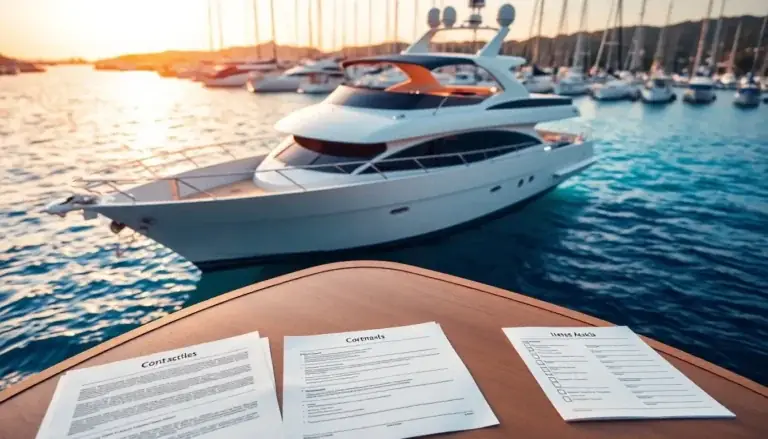
Charter Party Agreement: The legally binding contract detailing vessel specifications, charter dates, payment milestones, and governing jurisdiction.
-
Skipper’s Logbook: A chronological record of navigation coordinates, weather observations, engine hours, and anchorage locations.
-
APA Expenditure Ledger: An itemized accounting document tracking all variable fuel, port, and provisioning costs supported by original receipts.
Common Misconceptions and Oversimplifications
-
Myth: The base charter fee represents the absolute total cost of leasing a yacht for a week.
-
Correction: Base fees exclude mandatory variable expenses such as fuel, local port fees, provisioning, taxes, and crew gratuities, which typically add substantial additional cost.
-
-
Myth: Anyone with a valid driver’s license can rent and operate a bareboat sailing catamaran without prior nautical training.
-
Correction: Bareboat charters require internationally recognized sailing licenses (such as ICC or ASA certifications) and demonstrable practical competency.
-
-
Myth: Placing a yacht into a charter fleet completely covers all vessel maintenance and ownership overhead expenses without owner subsidy.
-
Correction: While charter revenue helps offset carrying costs, seasonal market fluctuations, wear-and-tear depreciation, and management commissions frequently result in net operational deficits.
-
-
Myth: MYBA charter contracts allow for unconditional full refunds if weather conditions prevent comfortable cruising.
-
Correction: Standard maritime contracts do not guarantee specific weather conditions; weather-related itinerary changes are managed at the captain’s discretion for safety without financial reimbursement.
-
-
Myth: Crew gratuities are an optional discretionary gesture that carries no expected cultural standard.
-
Correction: In the professional superyacht charter industry, tipping the crew (typically 10 to 20 percent of the base fee) is an established custom reflecting service standards.
-
-
Myth: A larger yacht can safely navigate into any shallow Mediterranean harbor or secluded Caribbean cove.
-
Correction: Draft limitations, wide beam dimensions, and local harbor depth restrictions frequently limit large vessels to anchorages outside immediate port areas.
-
Ethical, Practical, or Contextual Considerations
Operating temporary vessel leases carries a profound responsibility toward marine environmental preservation, coastal community respect, and maritime labor standards. Responsible chartering requires strict adherence to local ecological protocols—such as avoiding anchoring in fragile coral reefs or protected seagrass meadows, utilizing onboard wastewater holding tanks, and minimizing carbon footprints through fuel-efficient cruising speeds. Furthermore, charterers and crew must respect local coastal cultures, comply with international maritime labor regulations regarding crew welfare and fair compensation, and support regional port economies. Balancing leisure exploration with genuine environmental and social stewardship defines the modern standard of responsible maritime participation.
Conclusion
Evaluating, structuring, and executing a premier maritime charter requires a sophisticated synthesis of legal contract understanding, financial budgeting, navigational awareness, and operational vigilance. Moving past superficial marketing brochures to examine the structural realities of charter agreements, Advanced Provisioning Allowances, crewing qualifications, and safety management systems ensures that organizers can approach temporary vessel deployment with absolute confidence.
Whether selecting a bareboat catamaran for independent coastal island-hopping or a fully crewed superyacht for transoceanic luxury cruising, the fundamental objective remains unchanged: establishing a secure, resilient, and flawlessly executed operating platform. Prioritizing legal clarity, professional support networks, and uncompromising safety standards transforms a marine lease into an unforgettable experience of personal distinction and nautical discovery.